
If 2025 was the year cozy games went mainstream, 2026 looks like the year they fully take over.
Between narrative café simulators, eco-utopian crafting worlds, witchy farming sims, floating cities, blob creatures, and airship trading adventures… my backlog is already filing a formal complaint.
Here are the cozy games currently lighting up my wishlist — organized by vibes, because that feels appropriate.
Coffee Talk Tokyo

Release: May 21, 2026
The Coffee Talk series has always lived in that soft, rainy intersection between visual novel and emotional safe space. You play as a late-night barista in a small café where humans and fantasy beings quietly coexist. No combat. No time pressure. No “fail state.” Just conversations, carefully crafted drinks, and stories that unfold one cup at a time.
Now we’re heading to Tokyo.
In Coffee Talk Tokyo, you once again step behind the counter — but this time in a new city, with new regulars carrying new emotional baggage. Office workers running from burnout. Artists questioning their identity. Mythical beings trying to exist in a modern world that doesn’t quite understand them. The series has always used fantasy elements — elves, succubi, werewolves, vampires — not as spectacle, but as metaphors. It’s subtle. It’s clever. It’s disarmingly grounded.
The core gameplay loop remains beautifully simple:
- Listen to your customers’ stories.
- Brew the right drink using ingredients like coffee, tea, chocolate, milk, ginger, mint.
- Use latte art to add a small, personal touch.
- Watch relationships evolve over multiple nights.
But here’s the thing: the drinks matter. Serving the right beverage at the right emotional moment can open up dialogue paths, deepen character arcs, and sometimes gently alter the trajectory of someone’s life. It’s not about winning — it’s about paying attention.
And that’s why it works.
The dialogue in these games feels intimate in a way that sneaks up on you. Conversations about ambition, loneliness, cultural identity, creative burnout, family expectations — all wrapped in pixel art and lo-fi jazz. It shouldn’t hit as hard as it does.
But it does.
Tokyo as a setting feels especially fitting. The city’s blend of tradition and hyper-modern life gives the series room to explore themes of isolation in crowded places, work culture pressures, artistic dreams, and quiet resilience. If the previous entries are anything to go by, this won’t be loud storytelling. It will be gentle. Intentional. And occasionally devastating.
New characters.
New late-night conversations.
New emotional damage.
I already know I’ll be pre-ordering, crying into my imaginary cappuccino, and overanalyzing every interaction like it’s a graduate thesis. The series has that uncanny ability to make you feel seen while you’re technically just making virtual drinks.
May 21 cannot come fast enough (and not just because this game was delayed).
If you love narrative-driven games, visual novels, lo-fi aesthetics, and emotional storytelling that lingers long after you close the game — this is one to watch closely.
And yes, I will absolutely be playing it day one.
Solarpunk
Release: 2026
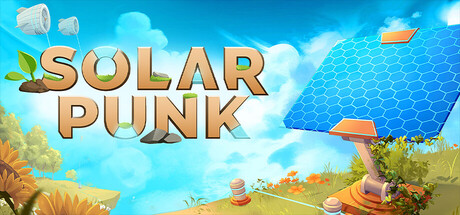
Solarpunk is an open-world crafting survival game set in a luminous eco-utopian future — and I mean luminous. Think floating islands suspended in blue skies, wind turbines spinning in the distance, solar panels tucked between wildflowers, and vertical gardens climbing the walls of handcrafted homes.
This is survival — but make it hopeful.
Instead of post-apocalyptic grit, Solarpunk imagines a world where sustainability won. Where renewable energy powers your tools. Where automation works with nature instead of strip-mining it. Where your base isn’t just functional — it’s beautiful.
The game blends:
- Farming and food systems
- Crafting and automation
- Modular base building
- Renewable energy management
- Exploration across floating biomes
- Light survival mechanics
You gather resources, craft tools, build structures, and gradually develop systems that allow your floating homestead to thrive. But unlike harsher survival games, the tone leans toward thoughtful progression rather than constant danger.
The comparison that keeps floating around in my head?
“What if Subnautica, Minecraft, and cottagecore had a responsible, environmentally conscious baby?”
There’s exploration across skybound islands that hints at discovery-driven wonder. There’s modular building freedom reminiscent of sandbox crafting games. And then there’s that soft, intentional aesthetic — wood beams, glass panels, greenery integrated into architecture — that makes you want to pause and just look at what you’ve built.
The automation systems seem to be particularly intriguing. Early footage suggests you can create interconnected energy grids using solar, wind, and water power. Not just for efficiency, but as part of the world’s identity. It’s less “industrial factory grind” and more “sustainable ecosystem design.”
Which, frankly, is refreshing.
Now — here’s where I put my skeptical hat on.
It’s ambitious. Extremely ambitious.
Open world. Dynamic systems. Automation. Farming. Exploration. Survival. Multiplayer potential.
That’s a lot of moving pieces. And we’ve all seen gorgeous trailers before.
But every preview so far looks stunning. Bright. Clean. Thoughtful. If even half of the environmental systems and building depth land the way they appear to, Solarpunk could quietly redefine what “cozy survival” looks like.
Not soft because it’s shallow.
Soft because it’s intentional.
And honestly? I think that’s what excites me most.
We’ve had dystopian futures.
We’ve had abandoned worlds.
We’ve had survival through collapse.
Solarpunk asks:
What if we survived — and built something better?
If it delivers, this won’t just be another crafting game. It could become one of those rare titles that feels like a blueprint for the genre’s future.
Cautiously optimistic? Yes.
Emotionally invested already? Also yes.
Floatpia
Release: 2026
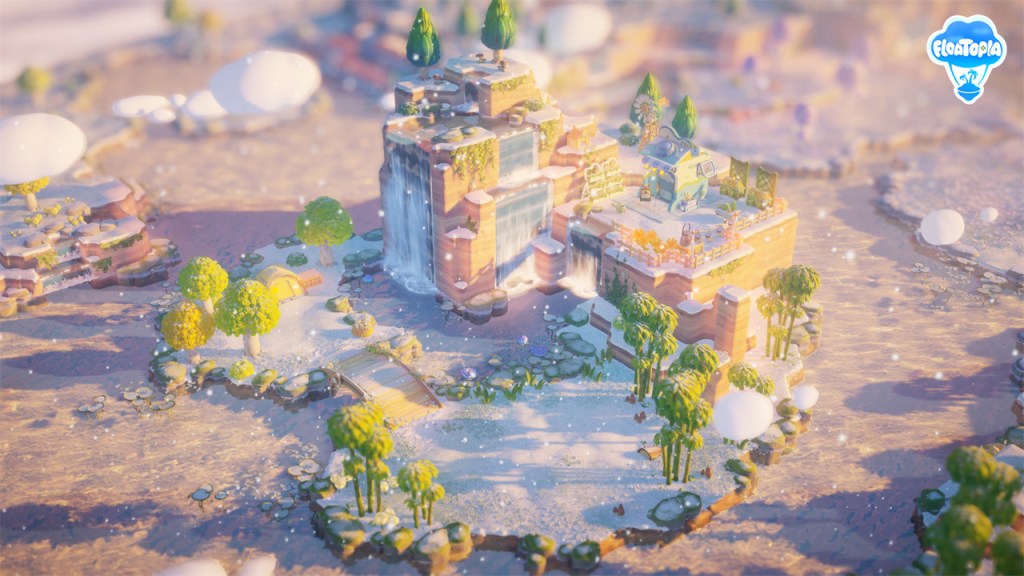
Floatpia is a floating-city builder where you create your own buoyant paradise — and I mean that literally. You start with a modest platform drifting on open water, and from there, you expand outward piece by piece, constructing a layered, colorful world that gently bobs on the ocean’s surface.
There’s something instantly soothing about the concept.
No land to conquer.
No sprawling industrial sprawl.
Just you, the sea, and the slow, satisfying rhythm of building outward.
The core loop appears to center around:
- Expanding modular floating platforms
- Designing and decorating your home
- Crafting furniture and structures
- Attracting and nurturing a small seaside community
- Managing light resources and daily life systems
It leans more toward creative expression than survival stress. You’re not battling the ocean — you’re living alongside it. The water becomes backdrop and atmosphere rather than threat.
Visually, Floatpia embraces bright palettes, soft edges, and charming architectural designs that feel almost toy-like in the best possible way. It has that “miniature world in a bottle” energy — the kind that makes you zoom in just to admire a tiny chair you placed perfectly.
And I love that it doesn’t appear to be chasing scale for the sake of scale.
Instead of endless terrain, you’re working within a contained, curated space. That limitation could actually be its strength. When your world floats, every platform feels intentional. Every addition matters. You’re not just expanding — you’re balancing.
There’s also strong cozy-life-sim DNA here. Community-building elements suggest you’ll invite characters to live on your floating haven, possibly unlocking new structures, story threads, or decorative themes as relationships develop. A gentle progression system rather than a grind-heavy one.
Now — realistically — floating city builders can go one of two ways:
- Overcomplicated management sim.
- Underdeveloped sandbox with not enough depth.
The sweet spot? A thoughtful blend of structure and freedom.
If Floatpia nails that balance — offering enough progression to keep you invested while preserving creative breathing room — it could be a quiet favorite in the cozy builder space.
Because let’s be honest.
There is something deeply appealing about designing a tiny world that exists entirely on its own terms. No borders. No roads leading out. Just a drifting sanctuary you shaped yourself.
Perfect for anyone who has ever thought:
“I want to live on a cloud… but wetter.”
And honestly? Same.
Outbound
Release: 2026
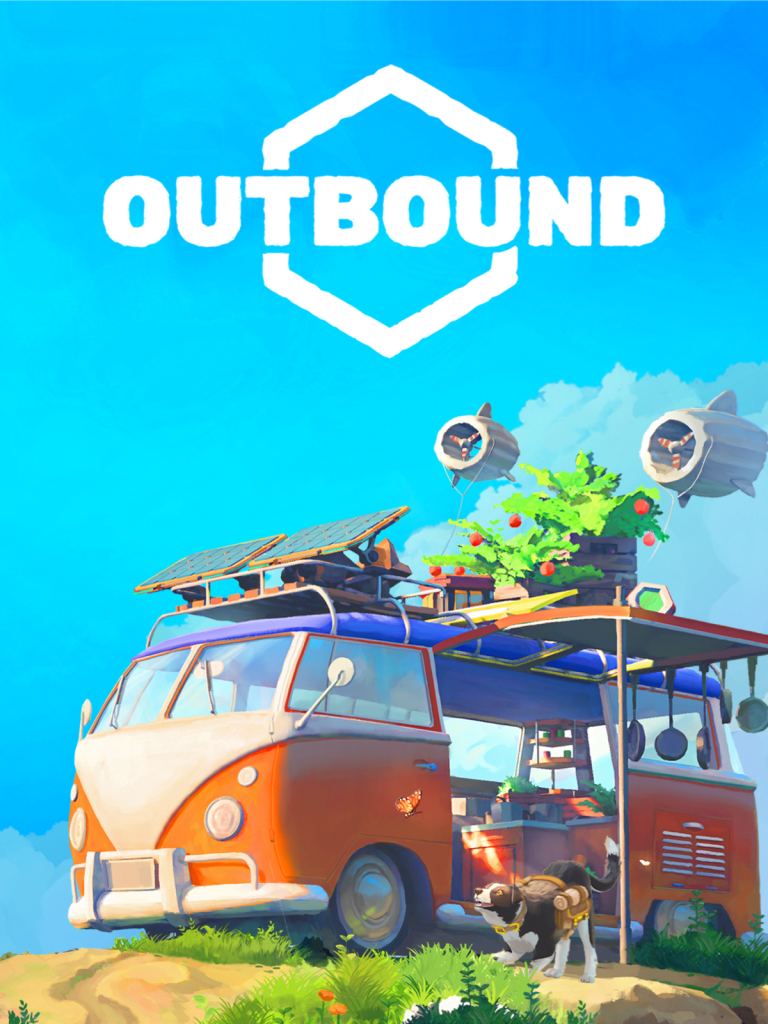
Outbound is a hiking-themed cozy adventure built around one simple, radical idea:
What if exploration didn’t have to be loud?
Instead of combat systems or survival meters screaming for attention, Outbound focuses on long walks through scenic trails, quiet conversations with strangers, small environmental puzzles, and reflective moments that unfold at your own pace.
You play as a traveler setting out across natural landscapes — forests, mountain paths, gentle valleys — meeting thoughtful characters along the way. Some are fellow hikers. Some are locals. Some feel like they’re searching for something just as much as you are.
And yes, you can brew tea.
Not as a gimmick — but as a mechanic. Tea becomes part of the rhythm. Resting spots along your journey allow you to prepare blends, recover energy, and sometimes unlock deeper conversations. It’s not about rushing to the next objective. It’s about pausing.
The core experience appears to revolve around:
- Exploration across scenic trails
- Brewing tea as part of rest and reflection
- Light environmental puzzles
- Character-driven encounters
- Atmosphere-first storytelling
There’s a meditative quality to it. The kind of game that encourages you to slow your breathing a little without explicitly telling you to.
Visually, Outbound leans into soft, painterly environments — warm light filtering through trees, distant mountain silhouettes, paths that curve gently instead of sharply. It feels intentionally uncluttered. You’re meant to look at the landscape, not a busy HUD.
And I think that’s the quiet magic here.
Nature-focused games often swing into hardcore survival territory — resource scarcity, stamina management, dangerous wildlife. Outbound seems to be asking a different question:
What if we remove the stress but keep the wonder?
It lets you pretend you’re outdoorsy without actually encountering mosquitoes. No sunburn. No blisters. No “why did I agree to this hike” moments.
Just the calm version of nature. The romanticized one.
Of course, the big question is depth. Calm is beautiful — but calm without engagement can drift into emptiness. The success of Outbound will likely depend on how meaningful those character interactions feel and how cleverly the puzzles integrate into the environment.
If it finds that balance, this could be one of those low-key comfort games people return to when they need to decompress.
Meditative.
Warm.
Calm exploration.
Perfect for indoor kids who like the idea of nature — and want to experience it from the safety of a cozy chair.
Muri: Wildwoods
Release: 2026
Muri: Wildwoods is shaping up to be one of those quietly enchanting forest adventures — the kind where the trees feel ancient, the light filters through leaves in soft beams, and the world invites you to move slowly.
At its heart, Wildwoods looks to blends exploration, crafting, gathering, and creature encounters into a grounded woodland experience. You’re not saving the world. You’re living in it. Walking its paths. Learning its rhythms.
The core loop appears to revolve around:
- Exploring lush, interconnected forest biomes
- Gathering herbs, mushrooms, and natural materials
- Crafting tools, supplies, and possibly small structures
- Meeting (and maybe befriending) charming woodland creatures
- Uncovering environmental storytelling tucked into the landscape
There’s an earthy sincerity to the concept. This isn’t flashy fantasy. It’s mossy stones, winding trails, and the soft hum of a living ecosystem.
And honestly? That grounded tone might be its biggest strength.
A lot of cozy games lean whimsical or high-concept. Wildwoods feels rooted — almost reverent toward nature. The kind of game that encourages you to pay attention to small details: the sound of leaves underfoot, the way weather shifts the color palette, the subtle changes in a creature’s behavior.
Of course, crafting and gathering systems can make or break a forest-focused game. Too grind-heavy, and it becomes chore simulator. Too shallow, and the forest feels like a backdrop instead of a living space.
The sweet spot? Crafting that feels integrated — like you’re working with the environment, not strip-mining it.
Visually, early footage suggests a soft, natural color palette — deep greens, warm browns, gentle lighting. It’s less “storybook fantasy” and more “storybook you found in a cabin.”
It absolutely has that energy that makes you think:
“I should learn to forage.”
And then immediately remember you cannot identify a single safe mushroom in real life.
If Wildwoods delivers meaningful exploration and a satisfying, balanced crafting system, it could become a comfort game for players who want immersion without overwhelm.
Not loud.
Not frantic.
Just forest, breath, and quiet discovery.
Townseek
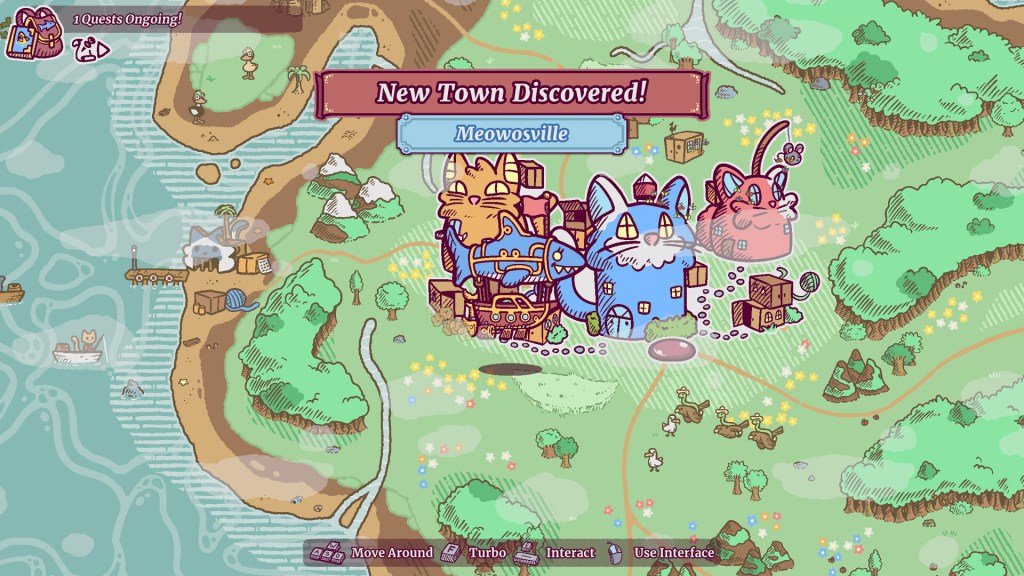
Planned Release Spring 2026
Townseek is shaping up to be a beautifully hand-drawn exploration-trading adventure that invites you to take to the skies and chart your own course at a cozy pace. Unlike survival games that demand stress and mastery, Townseek leans into curiosity, exploration, and charming encounters — the kind of experience made for Sunday afternoons where the biggest decision is which town to visit next.
It’s officially slated to launch during Spring 2026 on PC and consoles — including Nintendo Switch, PlayStation, and Xbox — though a precise date has yet to be announced.
In Townseek, you captain a customizable airship and fly across the vibrant world of Explora, uncovering its hidden wonders one gentle breeze at a time. The story centers around a quest to reassemble the lost legacy of Sir Reginald Sharkingston, a legendary explorer whose journal is scattered across the world. As you complete that journal, you also fill your own with memories, discoveries, and stories of the towns you visit.
Along the way, you’ll:
- Explore hand-drawn biomes — from lush forests and towering deserts to frozen isles and volcanic peaks brimming with hidden curiosities.
- Visit whimsical towns where each has its own culture, characters, and economy to learn about and trade with.
- Trade goods and take on quests — trade items between far-flung regions, barter for profit, and build your reputation with quirky locals.
- Engage in light activities like fishing in tranquil waters, mining for rare artifacts, growing exotic fruit, and uncovering treasures off the beaten path.
- Customize your airship — upgrade and decorate your vessel to unlock new areas and enhance your adventure.
These systems look to be designed to be accessible and stress-free, so you can choose your focus: traders can maximize profit, explorers can chase landmarks, collectors can fill journals, and story lovers can soak up the vibrant personalities waiting in every port.
If you’ve ever wanted to captain a whimsical airship across a tapestry of charming regions — hauling goods, meeting quirky characters, and building your own narrative — Townseek promises to be that cozy getaway. And since it’s landing in Spring 2026, we’re watching the horizon with binoculars and a cup of tea.
My Time at Evershine
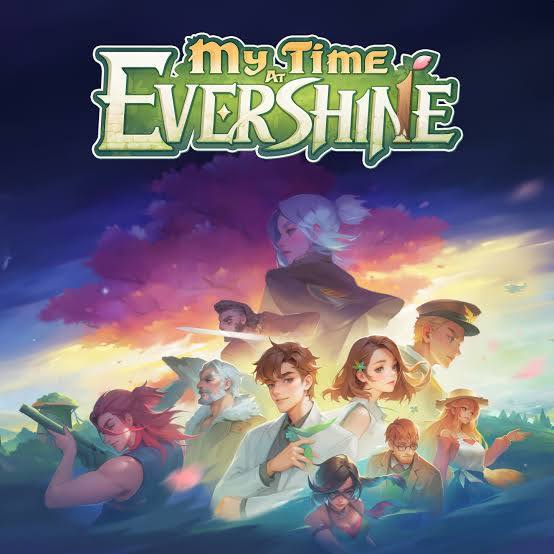
Planned Release: 2026
The next big chapter from the creators of My Time at Portia and My Time at Sandrock is finally on the horizon. My Time at Evershine is the third entry in the beloved life-sim series, and right now it’s scheduled for release sometime in 2026 — Pathea Games has confirmed the year, though an exact date hasn’t been announced yet.
If you’ve ever lost yourself in sprawling life sims with heart, personality, and cozy momentum, Evershine is aiming to evolve that feeling into something even bigger.
Unlike Portia and Sandrock, where you essentially played the role of builder and craftsman rebuilding society one commission at a time, Evershine positions you as the governor of a fledgling settlement in a post-apocalyptic world where people are finally stepping back into the light after centuries underground.
Here’s what the core experience looks like:
- Farming & Crafting: You’ll gather materials, grow crops, craft tools, weapons, and structures — the bread-and-butter of cozy sims is here, but with more depth and scale than ever before.
- Settlement Building: Instead of just rebuilding someone else’s workshop, you’re shaping a whole community. Place buildings, develop infrastructure, and watch your settlement grow from a campfire to a bustling hub of activity.
- Exploration & RPG Elements: Expect more story and exploration than in previous games — the world feels larger and more ambitious, with quests that take you beyond your homestead.
- Relationships & Characters: As with Portia and Sandrock, character interactions are key. Early looks tease a diverse cast with romance options, social depth, and plenty of personality to discover.
- Multiplayer Co-Op: For the first time in the series, you and friends might be able to join forces — coordinating, sharing resources, and building together.
The setting blends cozy life-sim staples with a post-apocalyptic backdrop that’s more hopeful than harrowing. Instead of fighting for survival, you’re building something worth living for. That shift in tone — from solitary workshop grind to community leadership and exploration — has fans excited for a fresh take on familiar mechanics.
If Sandrock sometimes felt stretched — ambitious but occasionally uneven in pacing and quest flow — Evershine is shaping up to be the refined, confident evolution of the series. It’s expanding on systems fans love while leaning into bigger ideas: settlement management, deeper story arcs, and more player freedom.
2026 might be a bit of a long wait, but if the team hits their marks, My Time at Evershine could be one of the standout cozy life sims of the year.
Everdream Village
Early Access out now
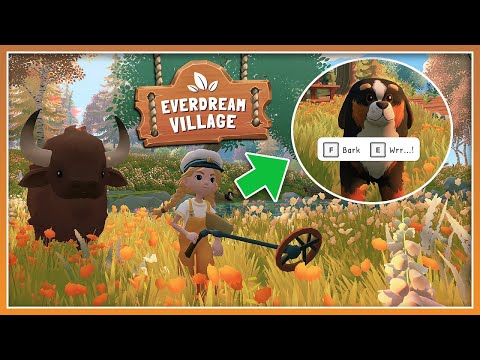
Please let this be better than the first one.
I genuinely adored the original Everdream Village. It had that warm, animal-filled, cottagecore energy that makes you want to slow down and build something soft and sustainable. You farmed. You cared for animals. You explored nearby regions. You helped grow a village that slowly felt like home.
And then…
The automated watering bug.
A single system failure that spiraled into a game-breaking save file situation I could never recover from. Structurally devastating. Emotionally catastrophic. I’m still processing.
But here we are again.
At its core, Everdream Village blends farming, animal care, light exploration, and village development into a relaxed life-sim loop. You raise crops, tend to livestock, craft tools and furniture, and gradually expand your homestead into a thriving rural community.
The key pillars seem to be:
- Farming & Automation Systems – Plant, water, harvest, and (hopefully safely this time) streamline your workflow with tools and upgrades.
- Animal Care & Bonding – Raise and nurture animals that feel central to the village identity rather than decorative extras.
- Village Growth – Build structures, attract residents, unlock new services and crafting options.
- Exploration – Venture beyond your immediate farmland to gather materials and discover new areas.
- Crafting & Progression – Improve efficiency while shaping the aesthetic of your space.
The vibe leans wholesome and pastoral. It’s not trying to reinvent the farming sim — it’s trying to refine it. Gentle progression. Cozy loops. That satisfying “just one more in-game day” momentum.
Early Access is both promising and nerve-wracking.
On one hand, it means active development, system feedback, and community-driven improvements. On the other hand… it means systems are still evolving. Which, for someone who once lost a save file to a watering automation glitch, does inspire cautious optimism.
What I’m really hoping for:
- More stable automation systems
- Smoother quest flow
- Better long-term progression balance
- Quality-of-life improvements that respect player time
Because the bones of this series are strong. The charm is there. The cozy potential is undeniable.
This sequel (or reimagined iteration) feels like a second chance — for the developers and for players like me who loved the idea but got burned by execution.
And yes, I will absolutely be streaming this as it moves toward its 1.0 release. Watching a game grow during Early Access is a unique kind of cozy — seeing systems improve, mechanics evolve, and community feedback shape the world in real time.
I want redemption.
I need redemption.
And if Everdream Village delivers on its promise, this could quietly become one of those farming sims that wins people back not with hype — but with steady, thoughtful improvement.
Now please.
Let the sprinklers work.
Ova Magica (Switch Release)

Planned Release: 2026
Ova Magica finally landing on Switch makes me unreasonably happy.
This is one of those games that feels engineered in a lab specifically to attack my interests. Farming sim? Yes. Creature collecting? Yes. Turn-based battles? Also yes. Adorable blob companions that look like sentient marshmallows with personality disorders? Absolutely.
At its core, Ova Magica blends cozy life-sim mechanics with creature-raising strategy in a way that feels playful rather than intense.
You move to a small town to start a new life — classic cozy setup. You farm crops, tend your land, build relationships with villagers, and slowly integrate into the community.
But instead of cows and chickens being your main companions, you raise magical creatures called Blobs.
These blobs can:
- Be raised and cared for
- Combine and evolve into new forms
- Battle in turn-based combat
- Bond with you and gain abilities
- Take on wildly different personalities and designs
And this is where things get interesting.
Rather than traditional Pokémon-style capturing, Ova Magica leans into breeding and mutation systems, allowing you to experiment and create entirely new blob variations. It adds a layer of discovery that feels creative instead of grindy.
The farming and social sim side remains strong too:
- Grow crops and manage your farm
- Upgrade your home and property
- Build relationships with townsfolk
- Participate in events and town activities
The tone is colorful, energetic, and a little chaotic — but in a joyful way. The battle system adds structure and goals without overwhelming the cozy core.
What makes Ova Magica stand out is that it doesn’t force you to choose between peaceful farming and creature-driven progression.
You can spend a day tending crops.
Or experimenting with blob combinations.
Or grinding battles.
Or just decorating and talking to villagers.
It supports multiple play styles without punishing you for drifting between them.
For anyone who grew up loving creature-raising games but now also craves slower, gentler gameplay loops, this feels like a bridge between those worlds.
It has Pokémon-level creature energy.
But it wraps that energy in pastel farms and community storytelling instead of competitive pressure.
And honestly? On Switch — handheld, cozy, blob chaos on the couch — this feels like the exact right platform.
Bright. Playful. Strategic. Soft.
Sometimes you want pure relaxation.
Sometimes you want adorable battle marshmallows.
Ova Magica says: why not both?
Moonlight Peaks
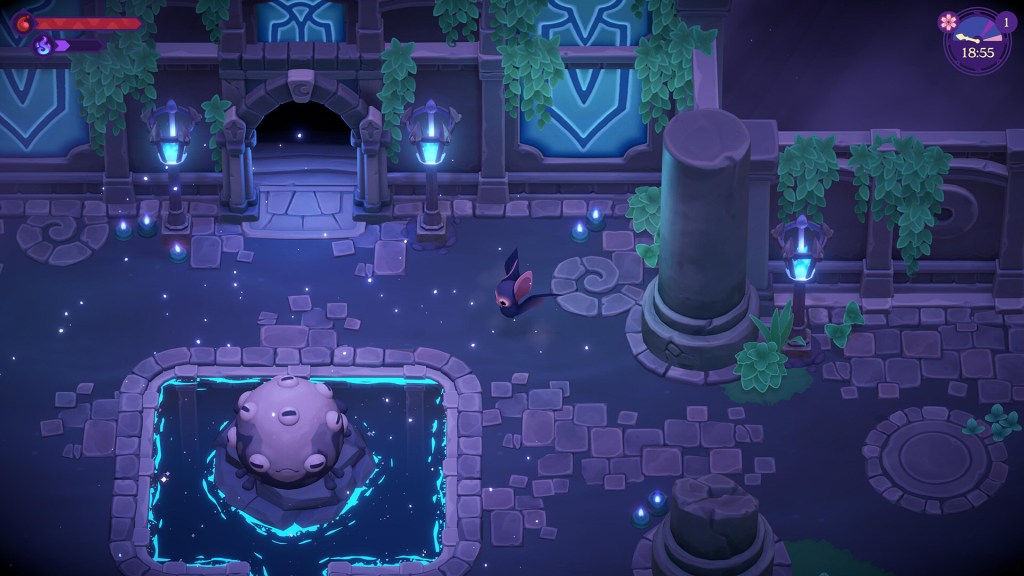
Planned Release: 2026
Moonlight Peaks is an upcoming supernatural farming and life simulation game that blends cozy rural charm with eerie yet delightful gothic vibes. In this whimsical world, you don the cape of a newly independent vampire determined to prove to your skeptical parent — Count Dracula — that life (or un-life) doesn’t have to be lonely, isolated, or gloomy.
Instead of the usual farming sim template, Moonlight Peaks marries familiar cozy mechanics with imaginative supernatural twists:
- Life as a Vampire: You’re not just tending crops — you’re doing it as an immortal being, balancing night-time activities with magical abilities.
- Supernatural Farming: Grow enchanted and “cursed” crops like nightshade and basil — food and ingredients that tie into potion making, spell crafting, and life as a creature of the night.
- Magic & Potion Systems: Learn spells, brew potions, and combine magical resources to shape your farm, power new abilities, and unlock deeper gameplay loops.
- Romance & Community: Befriend werewolves, witches, mermaids, and other eerie neighbors. You can even pursue romance, deepening relationships in classic cozy-life sim fashion.
- Social and Narrative Threads: The game hints at storylines involving ancient family legacies, village mysteries, seasonal festivals, and supernatural secrets waiting to be uncovered.
Technically, the planned release year is 2026, but no exact month or day has been announced yet — we only know it’s targeting a 2026 launch window.
Moonlight Peaks still leans into the relaxed loops fans of farming sims adore — planting, harvesting, befriending neighbors, decorating your home — but with a delightful lunar twist:
- The night cycle and vampire theme give familiar tasks a fresh feel.
- Potion-making and spellcasting add whimsical layers without turning everything into combat or stress mechanics.
- Town life, festivals, and relationships bring that warm, community-centered energy cozy players love.
And let’s be honest — there’s something irresistibly charming about tending your enchanted pumpkin patch at 3 a.m. while friendly werewolves stroll by and the local mermaid waves hello.
If the developers stick the landing, this could easily be one of 2026’s standout cozy experiences and one of the more memorable supernatural twists on the farming genre in years.
Tanuki: Pons Summer

Planned Release: 2026
Tanuki: Pon’s Summer is shaping up to be a delightful summer-vacation life sim full of charm, personality, and laid-back exploration. You play as Pon, a tanuki working a part-time delivery job — usually on a BMX — trying to raise funds and help restore a community shrine in time for the big summer festival, all while making friends, taking part in town activities, and diving into gentle quests and mini-games across several whimsical Japanese-inspired towns.
- The game has been officially delayed into 2026 — it will no longer launch in 2025 as originally planned.
- The developer confirmed it aims for a 2026 release window across PC, Xbox Series X|S, Xbox One, Nintendo Switch, and potentially Game Pass.
- So far, there is no confirmed day or month yet — just that the title is targeting some time in 2026.
That means if you’re bookmarking this one on your cozy radar, it’s still on the horizon — but the specific date is waiting on the developers’ next announcement.
Tanuki: Pon’s Summer blends summer-time leisure with meaningful goals and fun, easygoing mechanics:
- BMX Delivery Missions: Zip through towns delivering packages, letters, and surprises with speed and style.
- Town Exploration: Visit four distinct towns inspired by real Japanese locations with unique quests, characters, and personalities.
- Shrine Restoration: Use your earnings and rewards to repair and decorate the community shrine before the festival — a tangible long-term goal that gives your daily tasks purpose.
- Mini-Activities & Side Quests: From photo challenges to BMX tricks, fishing, sushi making, and more, there’s variety meant to keep each day feeling fresh.
- Wholesome Social Interactions: The townsfolk are quirky and charming, making the world feel alive and inviting.
The overall mood leans into the enchantment of those perfect summer days you daydream about: warm light, friendly strangers, and gentle tasks that just feel good. It’s slice-of-life meets mini-adventure with an aesthetic that echoes peaceful anime storytelling.
Even with the delay, this game has all the ingredients cozy players love:
- A simple but purposeful loop of tasks and goals without pressure.
- Plenty of exploration and character interaction.
- Choices that let you decide how to spend your day — racing packages or lingering over a lakeside fishing spot.
- A sense of impending community celebration with the upcoming Tanuki festival as a narrative anchor.
Knowing the game is shaping up with extra time to refine its mechanics just makes it feel like it’s being crafted with care — and that’s a big part of what cozy gaming is all about.
If an exact release date drops later this year, I can happily update you with the specifics — just let me know!
Witchbook

Planned Release: 2026
Yes — Witchbrook is still coming! It’s one of the most anticipated cozy life sims out there, blending magical school vibes with community life, exploration, and personal growth… but it doesn’t have an exact release date yet. The developers have confirmed it’s now targeting a 2026 launch window, though they haven’t shared a day or month yet.
Originally expected to arrive in Winter 2025, the team behind Witchbrook made the difficult decision to delay the launch into 2026 so they can polish the world, refine gameplay systems, and make sure it lives up to its massive cozy potential — and their own high standards.
Imagine Stardew Valley meets a magical university — except instead of tending crops under the sun, you’re mastering broom flight, potion brewing, spellcasting, and battling forest creatures as you attend classes at Witchbrook College in the seaside town of Mossport.
Here’s the cozy core at a glance:
- Magical College Life: Attend classes, learn spells, study ancient lore, and grow your magical abilities.
- Living Town Simulation: Mossport is bustling with daily routines, seasonal events, festivals, and NPCs with schedules and stories of their own.
- Life Sim Systems: Brew potions, combine ingredients, forage, garden magical crops, and engage in light RPG mechanics woven into daily life.
- Relationships & Community: Befriend townsfolk, build friendships (and possibly romance), and participate in community events that evolve with the seasons.
- Co-op Play: Up to four players can explore, study, and hang out together in online co-op — whether you’re racing on brooms, sharing tea, or trading enchanted trinkets.
What makes Witchbrook feel like a quintessential cozy RPG isn’t just the pixel art or the magical setting — it’s how all the systems encourage engagement without overwhelming. The world is designed to feel alive: cityfolk bustle about, seasons change naturally, and your role within the community grows at a pace that feels alive rather than rushed.
Yes, the delay has been long — and yes, part of that community hype started way back when it was first teased years ago — but the recent updates make it clear: the team is committed to delivering a rich, immersive, and actually good experience rather than rushing it out.
So if you’re holding onto hope, that seems entirely justified. Witchy, atmospheric, and brimming with cozy magic — Witchbrook is still on track for 2026… and it’s just too delightful a concept to give up on now.
Want me to break down *what systems or mechanics it’s teased so far (like classes, broom flying, relationships, etc.) and how they compare to games like Stardew Valley or Harry Potter vibes? I can put that together next!
Wildekin
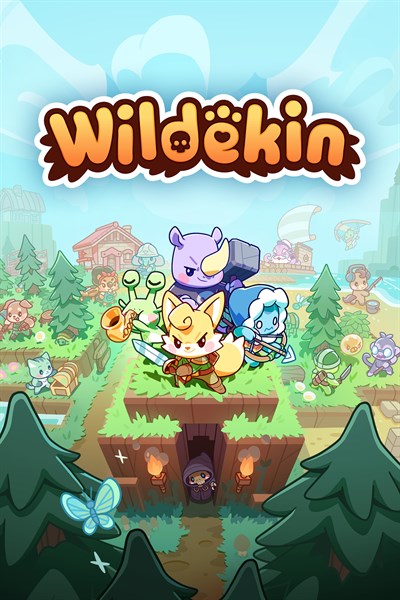
Planned Release: 2026
Wildekin is an upcoming 3D pixel-art adventure with strong cozy and community-building vibes — and yes, it’s officially aiming for a 2026 launch, though no specific day or month has been announced yet.
Imagine a cozy life sim and town builder mixed with whimsical adventure, a little survival, and a dash of monster-friend energy — all wrapped in charming retro-inspired visuals.
In Wildekin, you’ve literally fallen out of the sky and crashed into an untamed wilderness. From there, you:
- Explore & adventure: Venture across wild lands, discover new locations, and uncover secrets about the world you’ve landed in.
- Build your home and town: Construct buildings, design your layout, and expand your settlement from humble beginnings into a thriving community.
- Gather, craft, and survive: From growing crops and crafting tools to outfitting your town, there’s a satisfying loop of progression that blends survival instincts with cozy progression.
- Befriend the Wildekin: The world is populated with cute, quirky creatures — the titular Wildekin — each with their own personalities. Befriending them unlocks new jobs, events, and seasonal celebrations.
- Participate in seasonal events: Festivals, contests, and community celebrations add personality and warmth, making each day in your town feel lively and meaningful.
- Online co-op play: Up to four players can team up online to explore, build, fight monsters, and grow your town together.
This mix of exploration, town building, creature interaction, and light adventure gives Wildekin that “storybook you wish you lived inside” energy — part cozy life sim, part cooperative sandbox adventure.
Even though Wildekin has survival elements, the overall tone leans toward cozy creativity rather than stress:
- The world feels alive with character interactions
- Town development is as much about personality as efficiency
- Seasonal events and festivals encourage lingering in the world
- Creature companions add warmth and charm
And because co-op play is built in, it’s not just your story — it can be your friends’ story too.
Right now, Wildekin doesn’t have a firm launch date — we only know it’s set to arrive sometime in 2026. Wishlist and official channels are the best way to catch the exact date once it’s announced.
If you want a deeper breakdown of what systems (like crafting, events, or co-op progression) are teased so far — or how Wildekin compares to cozy neighbors like Animal Crossing or Stardew Valley — I can absolutely help with that next!
Trade Tales
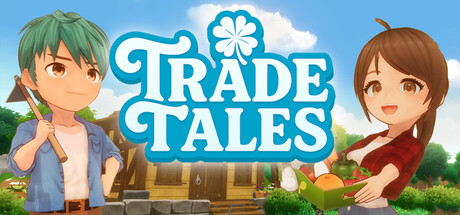
Release: 2026
Trade Tales is shaping up to be an ambitious cozy life sim where the warmth of crafting, farming, and community meets the satisfaction of running your own business — and it’s currently targeting a Q1 2026 release window, though an exact day hasn’t been announced yet.
At its heart, Trade Tales invites you into a charming fantasy town with your own brand new story to craft:
- Gather & Craft: Forage seasonal materials, farm crops, fish, mine, and raise animals — all to support your budding economy.
- Build Your Business: Open and manage a variety of shops — from bakeries and clothing stores to pet shops and jewelry boutiques — customizing signage, layout, and inventory to express your style and strategy.
- Trade & Travel: Take your goods on the road — explore distant cities, meet new characters, unlock fresh crafting ideas, and uncover the unique economies of other towns.
- Community & Relationships: Make friends, form deep relationships, and even find potential romance options as you help your town flourish.
- Growth & Automation: Set up production lines, automate aspects of your workflow, hire helpers, and evolve from a humble shopkeeper into a thriving headliner of the local marketplace.
It’s a cozy game that embraces the entrepreneurial spirit of building something meaningful from the ground up, but with all the relaxed pacing and storytelling charm you’d want from a life sim.
Trade Tales brings all the ingredients that make this genre irresistible:
- A living, breathing town full of personality.
- Crafting and trading systems you can shape at your own pace.
- A story that evolves based on your choices, not a timer.
- Gentle progression loops — from farm to storefront to city network.
There’s an undeniable “put on a lo-fi playlist, disappear into the world” energy here — perfect for players who want something that feels like life sim meets cozy economics and community exploration.
So while we don’t yet have a calendar date, Trade Tales is currently planned for Q1 2026 across multiple platforms, including PC and consoles, and remains one of this year’s most quietly ambitious cozy sims to watch.
Collectors Cove
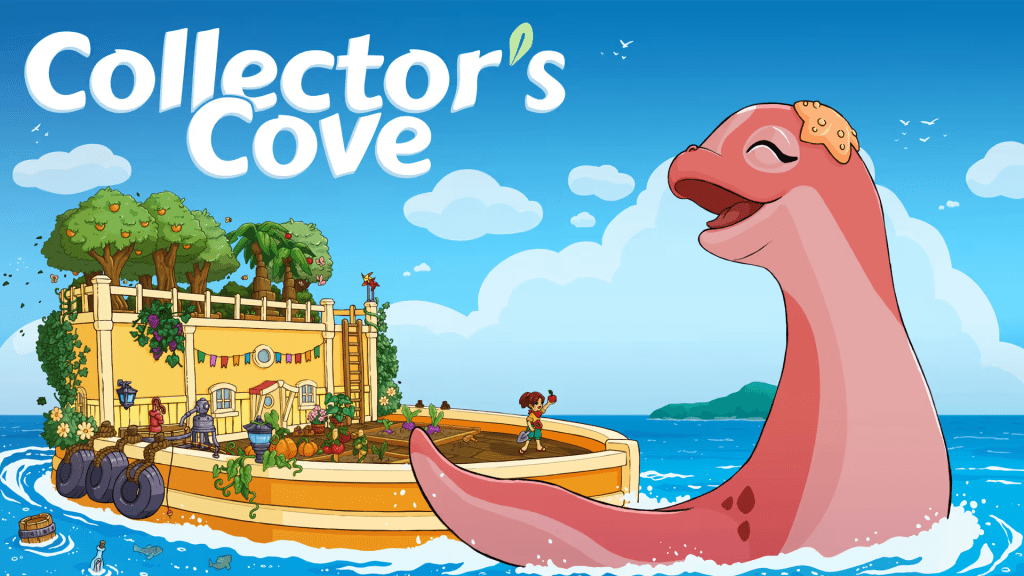
Release Date: March 12, 2026
Collectors Cove is shaping up to be the gentle completionist’s paradise — especially if, like me, you enjoy organizing things alphabetically and filling out every page of an in-game compendium just because it exists. And now we actually have an official launch date: March 12, 2026 on PC, PlayStation, and Nintendo Switch.
Imagine a world where cozy adventure, gentle exploration, and satisfying collection loops all take place on the open sea. In Collectors Cove, you play as a collector seeking out rare crops, exotic fish, and unique plant life across uncharted waters. There’s no combat, no enemies — just a vibrant ocean to explore and discoveries to make.
Here’s what the journey looks like:
- Sail the High Seas: Your home is a customizable boat, gently bobbing as you explore islands, climate zones, and hidden corners of the world.
- Grow & Gather: Cultivate crops and reel in elusive fish specific to each region. Each discovery fills in your Collector’s Compendium — the core progression mechanic that nudges you to explore further.
- Animal Companion: You’re not alone — your loyal animal friend travels with you, helping gather items and adding personality to your adventure.
- Craft & Personalize: Use foraged materials to craft tools, decorations for your ship, or quality-of-life items that make exploration smoother — and a little more stylish.
- Island Exploration: Each island has unique ecosystems, flora, and fauna to discover, giving you a reason to backtrack, experiment, and uncover every nook.
Collectors Cove has that quietly addictive loop that appeals to:
- Catalog lovers, who get a thrill from ticking boxes off in a compendium.
- Explorers, who enjoy uncovering new biomes and island secrets.
- Completionists, who want every fish, plant, and creature documented.
- Aesthetic builders, who love decorating ships and personalizing their floating space.
There’s no rush, no looming threat — just you, the open sea, a loyal companion, and a world begging to be cataloged.
If you’ve ever wanted a farming and collecting sim that literally sails into new territories, Collectors Cove is the game that’s ready to put that itch to rest. March 12, 2026 is marked in my cozy calendar with extra stars.
Home Grown
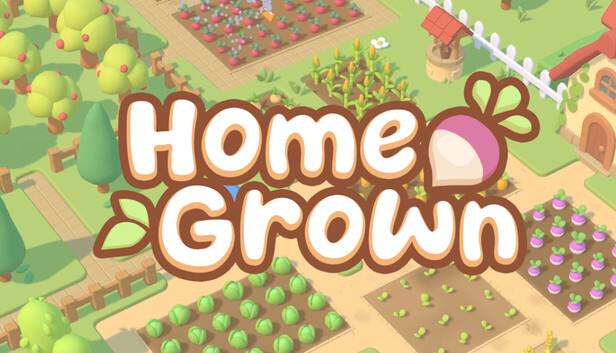
Planned Release: 2026
Home Grown is a calm, minimalist farming game that blends the simplicity of casual clicker mechanics with satisfying agricultural progression — and it’s officially slated for release sometime in 2026, though a specific day and month haven’t been announced yet.
Rather than a sprawling life sim with complex quest trees, deep town relationships, or sprawling emotional arcs, this one focuses on growing and nurturing your space — at your pace and your style.
At its heart, Home Grown is all about the joy of growing:
- Start Small: Begin with a few backyard vegetable beds and simple tools.
- Plant, Water, Harvest: Click at your own pace to tend crops and harvest produce — there’s no rush, no stamina bar, and no looming deadlines.
- Expand & Upgrade: Use your harvest to buy upgrades, better seeds, and eventually machinery that streamlines production or automates parts of your workflow.
- Local Economy: Sell your produce at markets, fulfill special orders, or trade with local shops — each choice shapes your farm’s identity and rhythm.
- Progress at Your Pace: Whether you want to farm casually or dive into strategy by optimizing routes and upgrades, the game gives you both simplicity and depth.
The core loop is deliberately effortless — perfect for moments when you want to relax rather than escape into overly complex systems. It feels like being in a sun-dappled garden with a nice playlist on, clicking away as your produce grows and your little farm takes shape.
What makes Home Grown cozy isn’t just the farming mechanics — it’s the tone:
- Minimal Stress: There’s no countdown clock, no looming threat, no stamina worries — just growth and progress.
- Easy to Jump In: You can start playing and intuitively understand the systems without a steep learning curve.
- Satisfying Momentum: As your farm grows, so does your sense of accomplishment — from backyard beds to a flourishing enterprise.
- Gentle Atmosphere: The aesthetics and gameplay are crafted to feel relaxing, charming, and welcoming.
It’s not trying to reinvent cozy life sims — it’s offering a microcosm of farming bliss that fits into even short play sessions, while still providing a gentle sense of long-term growth and strategy.
Release is set for 2026, and while we’re still waiting for the exact date, Home Grown looks like the kind of smaller-scale, community-focused farming sim that’s perfect for anyone who enjoys tending crops and watching things grow — with plenty of heart and zero pressure.
Fantastic Haven
Planned Release: Q2 2026
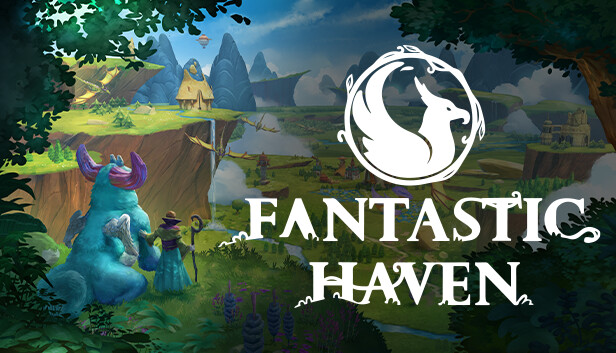
Fantastic Haven is a cozy creature sanctuary builder that taps into all the best environmental storytelling vibes — imagine managing a refuge for magical beings, crafting habitats, and nurturing ecosystems back to life in a world where magic is fading. It’s officially targeting a Q2 2026 release, which means sometime between April and June 2026, though the exact day hasn’t been announced yet.
In Fantastic Haven, your role isn’t just about building structures — it’s about restoring balance. Magic is slowly disappearing from the world as technology and human indifference push mystical creatures to the brink. Your mission is to:
- Build & Expand Your Sanctuary — Construct shelters, research facilities, and magical biotopes tailored to each creature’s unique needs.
- Rescue Endangered Fantasy Creatures — Find, capture, rehabilitate, and nurture strange and wonderful magical beings until they’re ready to thrive again.
- Explore Mystical Regions — Send agents or mages into surrounding biomes to discover resources, endangered creatures, and new points of interest that help expand your refuge’s reach.
- Use Diplomacy & Education — Negotiate with populations that have forgotten how to live in harmony with magic, teaching them respect and rebuilding a shared relationship between humans and the magical world.
- Balance Biotopes & Harmony — Each species has its own needs and compatibility rules, so creating sustainable habitats becomes a beautiful puzzle rather than just a checklist.
It blends sandbox building with ecological strategy and narrative choice, where every decision (which creatures to protect, what habitats to create, how to interact with neighboring towns) shapes the world’s recovery over time.
Fantastic Haven hits all the elements that make cozy games so engaging:
- Creature Care: Watching magical beings get healthier and happier is genuinely satisfying.
- Environmental Storytelling: You’re not just building — you’re healing a world.
- Freedom & Creativity: Choose your priorities, craft the sanctuary you want, and pace your play however you like.
- Soft Strategy Core: Management and planning are rewarding without being overwhelmingly stressful.
The sanctuary concept — rescuing beautiful creatures, building habitats, and slowly restoring balance — has a very gentle, comforting rhythm that makes it ideal for players who love compassionate progression over grind and conflict.
Release is planned for Q2 2026, and it’s absolutely one to keep an eye on if creature care, meaningful building, and scenic world immersion are part of what makes a game cozy to you.
Moomintroll: Winter’s Warmth
Release: April 27 2026
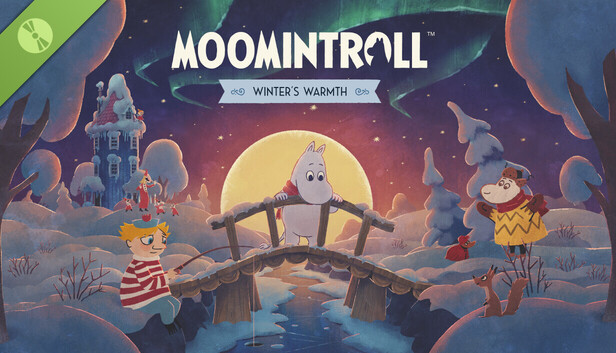
Moomintroll: Winter’s Warmth is the upcoming cozy adventure set in the enchanting world of the Moomins — those whimsical, philosophical characters from Tove Jansson’s beloved books. This game is a 2026 release (exact date still to be confirmed) and comes from Hyper Games, the studio behind Snufkin: Melody of Moominvalley.
In this story-driven adventure, you follow Moomintroll himself after he wakes up early from winter hibernation — and discovers that his familiar Moominvalley is now an icy, snow-covered winter wonderland. The landscapes have changed, the warmth has faded, and for the first time ever, Moomintroll must explore the world alone, facing the chill and forging connections along the way.
This isn’t a farming sim or life-sim in the traditional sense — it’s a cozy narrative exploration and puzzle adventure with gentle gameplay that includes:
- Wintertime Exploration: Wander snowy forests, frozen lakes, and the beautifully detailed landscapes of Moominvalley under the spell of winter.
- Light Puzzles & Tasks: Help characters you meet, solve environmental puzzles, clear paths, and discover hidden corners of the frozen world.
- Heartfelt Storytelling: Moomintroll’s journey is emotional — part discovery, part connection, part confronting fears, and all steeped in the gentle Moomin magic.
- Meeting New Friends: Along the way you’ll encounter both familiar and new characters, offering quests, companionship, and moments of warmth in a cold world.
Early demo versions — such as the one released in December 2025 — already hint at the cozy tone, with narrative beats that feel like a warm conversation by a fireplace, even as Moomintroll explores ice-covered terrain and meets creatures in need of help.
This is Moomin storytelling translated into gameplay: gentle pacing, narrative curiosity, and emotional warmth mixed with snowy ambience and soft world details. The graphics lean into storybook charm, evoking that nostalgic feeling of curling up with a favourite illustrated novel while winter storms rage outside.
There’s no combat pressure or stressful timers — just a slow-burn journey of exploration, empathy, and quiet discovery. Think of it as the video game equivalent of a warm blanket and a slow snowfall outside your window.
Official release is slated for 2026, but as of now, the firm day and month are still “to be announced.”
Would you like a quick breakdown of how this compares to Snufkin: Melody of Moominvalley in terms of gameplay and tone? I’m happy to do a side-by-side comparison!
Pokopia
Planned Release: March 5 2026
Okay. Fine.
This is the one.
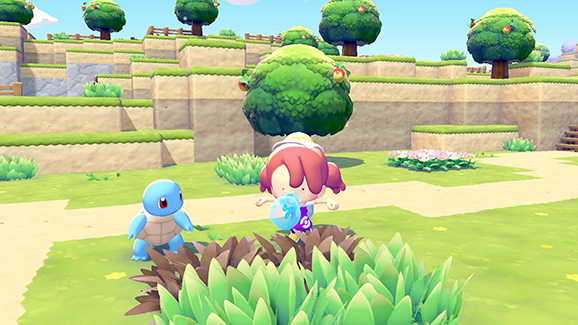
Pokopia is essentially Pokémon meets Animal Crossing energy — and I have already mentally packed my bags. At its core, Pokopia is a cozy life-sim set in a Pokémon world built for living, not battling.
You create your own avatar, move into a customizable space, and build a peaceful life alongside your favorite Pokémon companions. The focus isn’t competitive battles or gyms — it’s decorating, socializing, exploring, and building a shared community.
The pillars look something like this:
- Avatar Customization – Hairstyles, outfits, accessories, expressive emotes. This is your cozy self-insert era.
- Home & Cottage Decorating – Furnish, theme, rearrange, and obsess over layout decisions at 2 a.m.
- Pokémon Companions – Your favorite Pokémon follow you around, interact with the world, and (hopefully) participate in daily life.
- Relaxed Activities – Fishing, gathering, seasonal events, casual mini-games. Yes, I absolutely intend to fish up Magikarp for no productive reason.
- Social Features – Visiting friends’ spaces, sharing designs, community events — the cozy connective tissue we’ve been wanting from a Pokémon sandbox.
And that’s the magic.
This isn’t about being the very best.
It’s about being the very cozy.
For years, many of us have quietly wanted a Pokémon game that slows down. One that lets us live with Pokémon instead of constantly battling through story arcs and elite challenges.
PokéPia appears to lean fully into that softer space:
- Slower pacing
- Personal expression
- Companion bonding
- Seasonal charm
- Community over competition
If the systems are deep enough — if decorating feels meaningful, if Pokémon interactions feel alive rather than decorative — this could fill a very specific cozy gap in the franchise ecosystem.
I want to live with my Leafeon.
I want to decorate my cottage with grass-type themes.
I want to build a peaceful little life where the biggest stressor is furniture placement.
This is the cozy Pokémon experience so many of us have quietly imagined for years.
No hesitation.
If it delivers, this won’t just be another spin-off.
It could become the comfort Pokémon game people boot up when they don’t want to compete — they just want to belong.
Those are the cozy games currently lighting up my wishlist for 2026 and beyond.
Some are confirmed.
Some are “hopefully.”
Some are spiritual experiences I am manifesting into existence through sheer stubbornness.
The cozy genre isn’t slowing down — it’s evolving. More narrative depth. More environmental themes. More hybrid systems. More emotional storytelling.
I’m ready.
Let me know which cozy game you’re most excited about — or which one you think will be delayed so long we’ll be playing it on the Switch 4.


 Pixels and cocoa
Leave a comment