
March 2026 has delivered an eclectic lineup of indie gems, narrative journeys, and soothing sims. From cat-centric city builders to mythic match-3 adventures, this month feels like the perfect time to settle in with soft pillows, a hot drink, and a calendar full of cozy game sessions.
Tales of Bloomrise
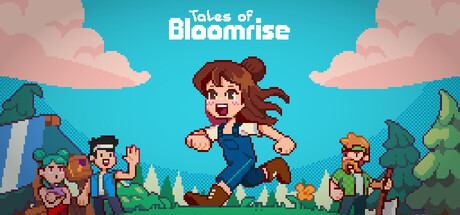
Release: March 2, 2026
Balance two lives in Tales of Bloomrise — a pixel-art action RPG built around that delicious dual-life loop.
By day, you’re helping your village flourish: strengthening the community, improving the town, and building bonds with the people who live there. It’s the kind of cozy rhythm that makes you want to settle in and get emotionally attached to everyone.
But then night falls… and Bloomrise shifts.
Because by night, you’re heading into dangerous dungeons to uncover ancient secrets, pushing into the unknown with a much sharper edge than your daytime life suggests. That contrast is the hook: comfort and community in the sunlight, tension and mystery after dark.
It’s giving: “I bake bread for my neighbors… and then I fight monsters about it.”
If you love games that blend life-sim warmth with adventure-forward progression, Tales of Bloomrise is one to keep on your radar.
The Abbess’ Garden

Release: March 2, 2026
Cozy gardening… but make it 1643 France.
In The Abbess’ Garden, you step into the role of Agnès, tasked with restoring a long-forbidden abbey garden in a world shaped by tradition, hierarchy, and quiet tension. What starts as tending soil and nurturing plants slowly becomes something much deeper.
By day, you cultivate and restore the abbey’s neglected grounds — planting, growing, and identifying real historical plants through changing seasons. The gardening system isn’t just decorative; it’s rooted in authenticity, encouraging observation and care as the year turns.
But beneath the petals and pruning?
There’s a spy plot unfolding.
As Agnès, you’ll uncover secrets woven into the abbey’s walls, navigate political undercurrents, and decide who to trust — all while helping the surrounding community and building meaningful relationships. Yes, romance is part of the journey.
It’s cozy… but with stakes.
…gives this one a distinctly atmospheric tone.
It looks like the kind of game where you trim lavender in the morning and uncover coded messages by candlelight at night.
If you love narrative-driven cozy games that mix history, horticulture, and a little intrigue, The Abbess’ Garden could be especially unique addition to March’s lineup.
Soft gardening. Subtle rebellion. And secrets hidden in the soil? I am in.
Mistpaw Ravine
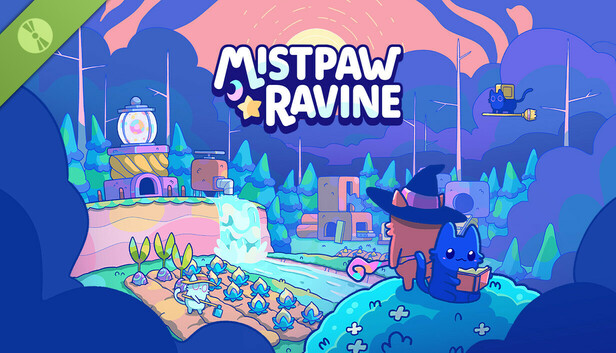
Release: March 4, 2026
Ever wondered what a city run by magical cats might feel like?
Mistpaw Ravine answers that question with surprising sincerity.
Set in a world once shaped by witches — now long gone — the only ones left behind are their loyal familiars. The spells have faded. The structures remain. And the land itself has grown brittle and overgrown without care. Now it’s up to you to help these abandoned, independent, slightly chaotic cats build something new.
Not just survive.
Thrive.
And listen — I adore a good witchy game. Give me abandoned covens, lingering spellwork, forest magic, and a slightly melancholic magical past? I’m in. Immediately. This was a day-one pickup for me the moment I saw the witch-left-the-group-chat energy.
At its core, Mistpaw Ravine looks like a colony-builder wrapped in soft fantasy. You guide a growing settlement of magical felines as they reclaim a ravaged landscape and transform it into a living, breathing haven.
Your responsibilities include:
- Colony management — You manage a settlement of magical cats with needs and roles.
- Resource gathering — Food, materials, and survival systems are part of the loop.
- Building shelters & structures — Settlement expansion and infrastructure building are core mechanics.
- Restoring land — Reclaiming blighted or corrupted land is a central feature.
- Balancing survival systems — Managing food, shelter, and environmental stability matters.
What makes it especially compelling is that this isn’t just about optimizing production lines. The emotional health of your colony matters. Happy cats are productive cats. Stressed cats… well. They’re still cats.
Colony sims can often lean harsh — micromanagement, punishing scarcity, survival pressure.
The witchy undertones? They aren’t just aesthetic. The abandoned magical world adds quiet melancholy and mystery — little hints that something powerful once lived here. It gives the whole experience emotional texture instead of just mechanics.
The concept alone is charming, but what elevates it is how cohesive it feels:
- The witch setting gives the world quiet melancholy.
- The magical cats add personality and warmth.
- The environmental restoration adds purpose.
- The colony systems add depth without stripping away charm.
It’s city-building with a purring heart.
There’s something quietly powerful about helping small, magical creatures rebuild after being left behind. It taps into that cozy-game sweet spot: nurturing, restoring, caring for something vulnerable and watching it grow.
If I’m going to manage spreadsheets of resource allocation, I would very much prefer to do it for magical cats in a slightly haunted forest.
Day one. No hesitation.
Pokopia
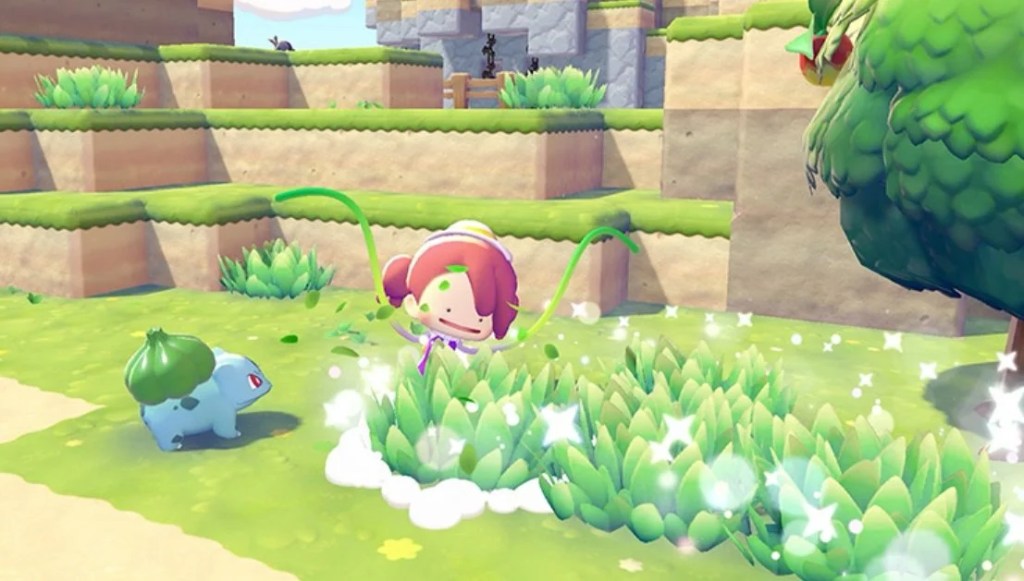
Planned Release: March 5 2026
Okay. Fine.
This is the one.
Pokopia is essentially Pokémon meets Animal Crossing energy — and I have already mentally packed my bags. At its core, Pokopia is a cozy life-sim set in a Pokémon world built for living, not battling.
You create your own avatar, move into a customizable space, and build a peaceful life alongside your favorite Pokémon companions. The focus isn’t competitive battles or gyms — it’s decorating, socializing, exploring, and building a shared community.
The pillars look something like this:
- Avatar Customization – Hairstyles, outfits, accessories, expressive emotes. This is your cozy self-insert era.
- Home & Cottage Decorating – Furnish, theme, rearrange, and obsess over layout decisions at 2 a.m.
- Pokémon Companions – Your favorite Pokémon follow you around, interact with the world, and (hopefully) participate in daily life.
- Relaxed Activities – Fishing, gathering, seasonal events, casual mini-games. Yes, I absolutely intend to fish up Magikarp for no productive reason.
- Social Features – Visiting friends’ spaces, sharing designs, community events — the cozy connective tissue we’ve been wanting from a Pokémon sandbox.
And that’s the magic.
This isn’t about being the very best.
It’s about being the very cozy.
For years, many of us have quietly wanted a Pokémon game that slows down. One that lets us live with Pokémon instead of constantly battling through story arcs and elite challenges.
PokéPia appears to lean fully into that softer space:
- Slower pacing
- Personal expression
- Companion bonding
- Seasonal charm
- Community over competition
If the systems are deep enough — if decorating feels meaningful, if Pokémon interactions feel alive rather than decorative — this could fill a very specific cozy gap in the franchise ecosystem.
I want to live with my Leafeon.
I want to decorate my cottage with grass-type themes.
I want to build a peaceful little life where the biggest stressor is furniture placement.
This is the cozy Pokémon experience so many of us have quietly imagined for years.
Planet of Lana II: Children of the Leaf
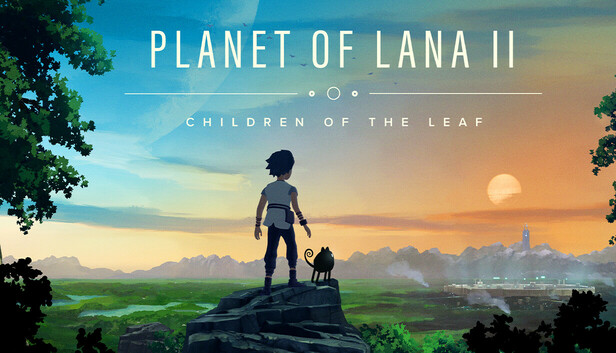
Release: March 5, 2026
If gentle narrative exploration is your thing, Planet of Lana II: Children of the Leaf continues the quiet, cinematic storytelling that made the original so memorable — but with a broader scope and deeper emotional stakes.
This sequel picks up after the events of the first game, once again following Lana and her loyal companion Mui as they navigate a world still shaped by mysterious machines and fragile natural beauty. The story leans further into its sci-fi foundations, exploring the tension between nature and technology, memory and survival, and the cost of resilience in a broken world.
At its core, Children of the Leaf probably remains a cinematic puzzle-platformer.
You guide Lana across vast, hand-painted landscapes — forests, ruins, alien structures, and sweeping sci-fi vistas — while solving environmental puzzles and avoiding mechanical threats. Mui plays an integral role again, acting not just as companion but as part of the puzzle design itself.
Core gameplay elements include:
- Environmental Puzzle Solving – Use timing, positioning, and cooperation with Mui to manipulate machinery, bypass hazards, and open paths forward.
- Stealth Sequences – Avoid hostile machines and navigate dangerous zones through careful movement rather than combat.
- Traversal & Platforming – Climb, swing, crawl, and traverse large-scale environments that feel expansive without being overwhelming.
- Atmospheric Storytelling – Dialogue is minimal; emotion is conveyed through animation, music, and world design.
Combat does not appear to be the focus. Tension comes from vulnerability and atmosphere rather than power fantasy. You are small in a big world — and that’s intentional.
The visual identity is one of the game’s strongest pillars. Hand-painted environments stretch across the screen in layered depth, blending painterly backgrounds with subtle animation. The camera often pulls back to emphasize scale — Lana silhouetted against giant mechanical remnants or vast natural landscapes reclaiming space.
Music and sound design are likely to do a lot of emotional heavy lifting. Instead of constant exposition, the game trusts silence, subtle musical swells, and environmental cues to carry tone. It’s restrained in a way that feels confident.
The sequel reportedly expands:
- The variety and complexity of puzzles
- The scale of environments
- The emotional arc between Lana and Mui
- The broader sci-fi mystery underlying the world
It still roots everything in companionship. The bond between Lana and Mui remains central — not as a gimmick, but as emotional grounding.
Where some puzzle-platformers focus purely on mechanics, Children of the Leaf prioritizes mood and narrative cohesion. The gameplay and story aren’t separate tracks — they’re intertwined.
You don’t just move forward.
You move forward together.
The themes of resilience, cooperation, and hope in the face of overwhelming odds feel especially present in this sequel. It’s not loud. It doesn’t rely on spectacle alone. It trusts its world and its characters to carry you through.
If you loved the original’s blend of quiet storytelling and thoughtful design, this sequel looks like a natural evolution — larger in scope, but still intimate at heart.
March 5, 2026, feels like a very good day to sit down with headphones, dim the lights, and let a beautifully crafted world unfold one careful step at a time.
Shinehill
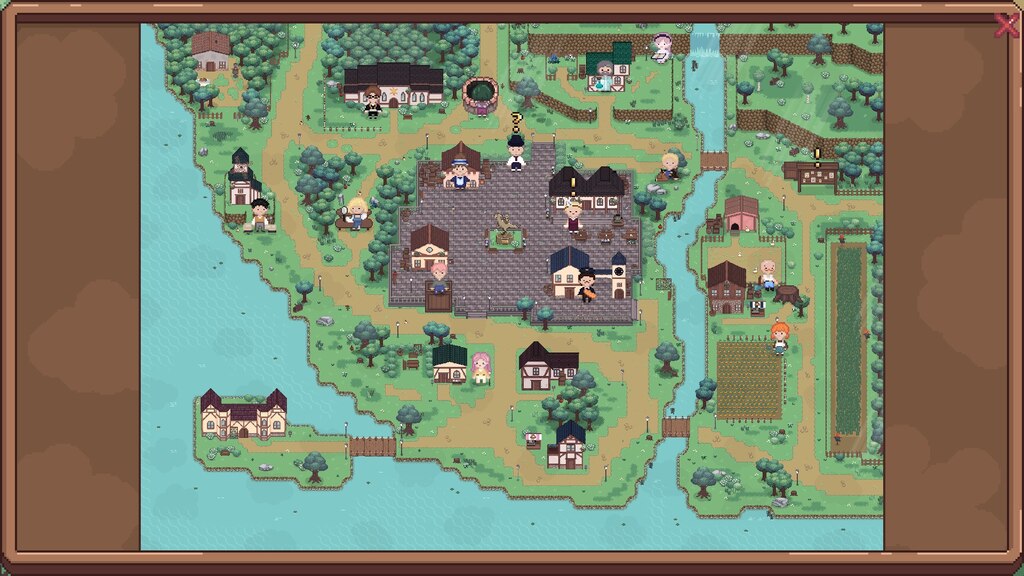
Release: March 6, 2026
Shinehill first entered Early Access prior to 2026, but March 6 marks a significant development milestone — expanding systems, deepening narrative content, and pushing the game to its full 1.0 vision.
This isn’t just another farming sim dropped onto an island backdrop. Shinehill leans heavily into story, identity, and community — blending cozy daily routines with a slow-burn narrative that unfolds as you settle into your new life.
You arrive in a small island town carrying more than just luggage. There’s a narrative hook woven into the premise — your move isn’t random, and the island itself holds secrets waiting to be uncovered.
At its core, Shinehill combines:
- Farming & Crop Cultivation – Plant, water, harvest, and expand your fields at your own pace.
- Cooking & Crafting – Turn fresh ingredients into meals and goods that strengthen relationships and progression.
- Fishing & Foraging – Explore beaches, forests, and hidden areas to gather materials unique to the island.
- Town Life & Relationships – Build genuine connections with locals, each with their own schedules, personalities, and evolving story arcs.
- Narrative Discovery – Piece together the island’s past and your role within it through dialogue, events, and exploration.
What sets Shinehill apart is its emphasis on character-driven storytelling. The townsfolk aren’t just quest dispensers — their personal journeys unfold over time. Relationships deepen through interaction, shared tasks, and participation in community life.
Many life sims prioritize mechanics first and story second. Shinehill appears to be flipping that balance.
The farming, cooking, and fishing systems provide structure — but the heart of the experience lies in:
- Conversations that evolve
- Secrets hinted at in environmental details
- A sense that the island itself has history
It feels less like “optimize your farm” and more like “become part of something.”
The March 6 milestone reportedly expands core systems, adds narrative depth, and refines quality-of-life features — helping align the Early Access version more closely with the developer’s long-term vision.
There’s a grounded tone here. It’s not hyper-pastel chaos. It’s not purely whimsical fantasy.
It’s quieter. More reflective.
Island life, yes — but with emotional weight. The kind of game where you might spend a morning fishing, an afternoon tending crops, and an evening learning something unexpected about a neighbor who didn’t say much the week before.
It’s cozy — but it has soul.
And if the continued updates stay focused on polishing narrative pacing and character arcs, Shinehill could become one of those understated life sims people recommend not because it’s flashy — but because it feels meaningful.
Island life with depth.
Piece by Piece
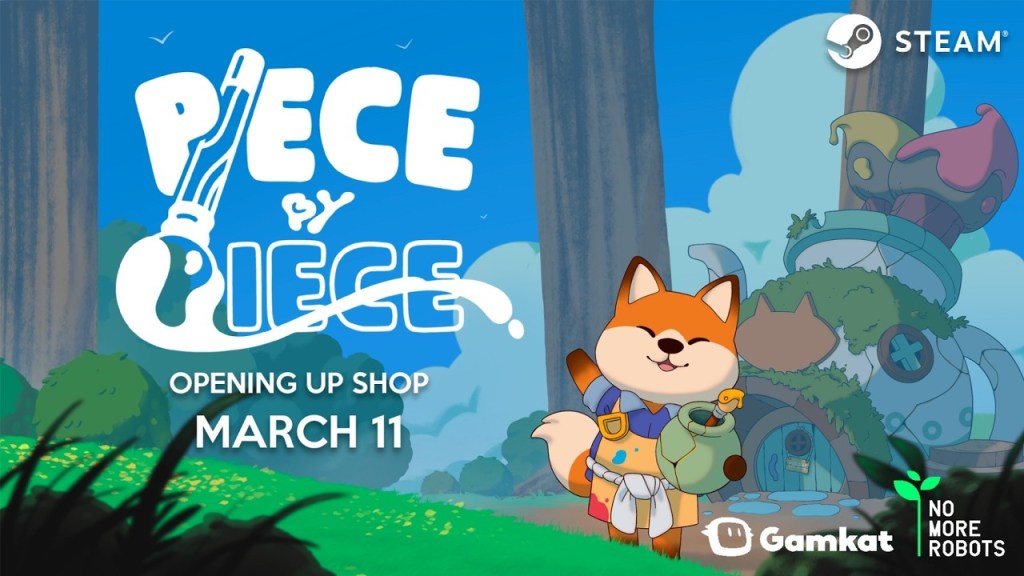
Release: March 11, 2026
Here’s a game that takes the cozy genre in a slightly different — and surprisingly satisfying — direction.
Piece by Piece is a repair shop simulator set in a woodland community, where you inherit your family’s workshop and step into the role of fixer, restorer, and quiet problem-solver for the forest’s residents.
Just someone who makes broken things whole again.
You take over a small repair shop serving a community of woodland critters who bring in items that matter to them. Toys, tools, heirlooms, everyday essentials — each object comes with context. You’re not just repairing an item; you’re preserving someone’s story.
Gameplay revolves around:
- Hands-On Repair Mini-Games – Disassemble objects, clean parts, sand surfaces, repaint, replace components, and reassemble with care.
- Tool Upgrades & Shop Expansion – Improve your equipment and workshop layout to take on more complex repairs.
- Order Management – Balance incoming jobs, deadlines, and pricing without turning the experience into a stress simulator.
- Community Interaction – Get to know returning customers, learn their quirks, and see how your work impacts their lives.
The forest setting adds warmth. Customers aren’t faceless transactions — they’re neighbors. Familiar faces return. Their requests grow more nuanced. The shop becomes part of the ecosystem.
There’s something deeply comforting about being the person who helps restore what others value.
Repair games are quietly powerful because they center on:
- Preservation over consumption
- Restoration over replacement
- Patience over urgency
That’s a kind of cozy I can absolutely get behind.
Collectors Cove
Release Date: March 12, 2026
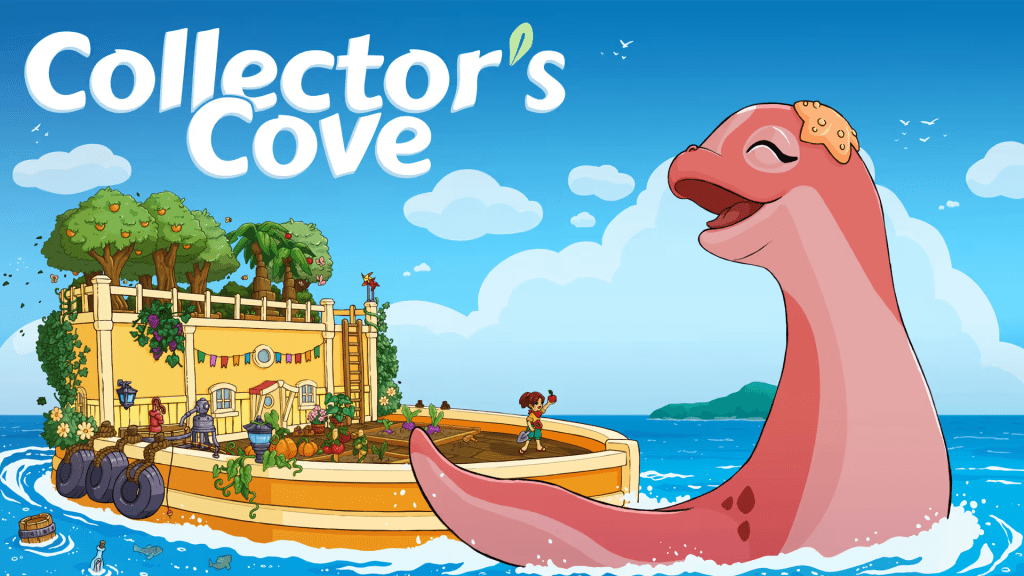
Collectors Cove is shaping up to be the gentle completionist’s paradise — especially if, like me, you enjoy organizing things alphabetically and filling out every page of an in-game compendium just because it exists. And now we actually have an official launch date: March 12, 2026 on PC, PlayStation, and Nintendo Switch.
Imagine a world where cozy adventure, gentle exploration, and satisfying collection loops all take place on the open sea. In Collectors Cove, you play as a collector seeking out rare crops, exotic fish, and unique plant life across uncharted waters. There’s no combat, no enemies — just a vibrant ocean to explore and discoveries to make.
Here’s what the journey looks like:
- Sail the High Seas: Your home is a customizable boat, gently bobbing as you explore islands, climate zones, and hidden corners of the world.
- Grow & Gather: Cultivate crops and reel in elusive fish specific to each region. Each discovery fills in your Collector’s Compendium — the core progression mechanic that nudges you to explore further.
- Animal Companion: You’re not alone — your loyal animal friend travels with you, helping gather items and adding personality to your adventure.
- Craft & Personalize: Use foraged materials to craft tools, decorations for your ship, or quality-of-life items that make exploration smoother — and a little more stylish.
- Island Exploration: Each island has unique ecosystems, flora, and fauna to discover, giving you a reason to backtrack, experiment, and uncover every nook.
Collectors Cove has that quietly addictive loop that appeals to:
- Catalog lovers, who get a thrill from ticking boxes off in a compendium.
- Explorers, who enjoy uncovering new biomes and island secrets.
- Completionists, who want every fish, plant, and creature documented.
- Aesthetic builders, who love decorating ships and personalizing their floating space.
There’s no rush, no looming threat — just you, the open sea, a loyal companion, and a world begging to be cataloged.
If you’ve ever wanted a farming and collecting sim that literally sails into new territories, Collectors Cove is the
Rhell: Warped Worlds & Troubled Times

Release: March 12, 2026
blends puzzle design with narrative adventure in a way that feels playful, clever, and just a little bit philosophical.
You play as Rhell, a quick-witted mage navigating a strange world where most of the population has mysteriously vanished. The tone leans whimsical rather than grimdark — curious instead of catastrophic — but there’s an undercurrent of mystery driving the journey forward.
At its core, Rhell is a puzzle-driven adventure game centered around magical rune manipulation.
Instead of traditional combat-heavy gameplay, your primary tool is language-infused magic. You combine and rearrange runes to alter the environment, unlock paths, and solve layered obstacles. The magic system isn’t just decorative — it’s mechanical.
Core gameplay elements include:
- Rune Combination Puzzles – Experiment with magical symbols to change how the world behaves.
- Warped Environments – Navigate altered spaces where reality itself feels slightly bent or unstable.
- Narrative Discovery – Piece together what happened to the missing inhabitants through exploration and interaction.
- Character-Driven Dialogue – Rhell’s personality comes through in sharp, self-aware commentary that adds levity to the mystery.
A warped world.
A clever mage.
And a puzzle system built on meaning itself.
Mythmatch
Release: March 13, 2026
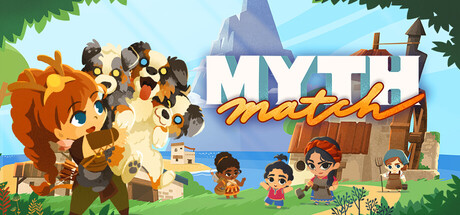
If you like your cozy games with a side of mythology, Mythmatch blends light puzzle mechanics with a surprisingly thoughtful narrative frame.
Released on March 13, 2026, Mythmatch is a match-3 / merge-style puzzle game inspired by Greek mythology — but instead of epic battles and dramatic betrayals, it focuses on rebuilding, reconnection, and community healing.
In Mythmatch, you play as Artemis, stepping into a world where divine hierarchy has fractured and the people affected by Olympus’ power struggles are left to rebuild.
The core gameplay loop revolves around:
- Match-3 & Merge Mechanics – Combine items on a board to create upgraded materials, resources, and tools.
- Rebuilding a Community – Use merged items to restore structures, repair damage, and unlock new parts of the world.
- Character Interactions – Meet myth-inspired residents, learn their stories, and help them reestablish their lives.
- Narrative Progression – Advance through chapters that explore themes of power, responsibility, and connection.
The puzzle design seems to leans accessible rather than punishing. It’s not trying to be a high-stakes brain teaser — it’s meant to feel satisfying and steady. You merge, you upgrade, you rebuild. Small progress builds into visible transformation.
That thematic layer will give the cozy puzzle loop more weight than you might expect from a match-3 title.
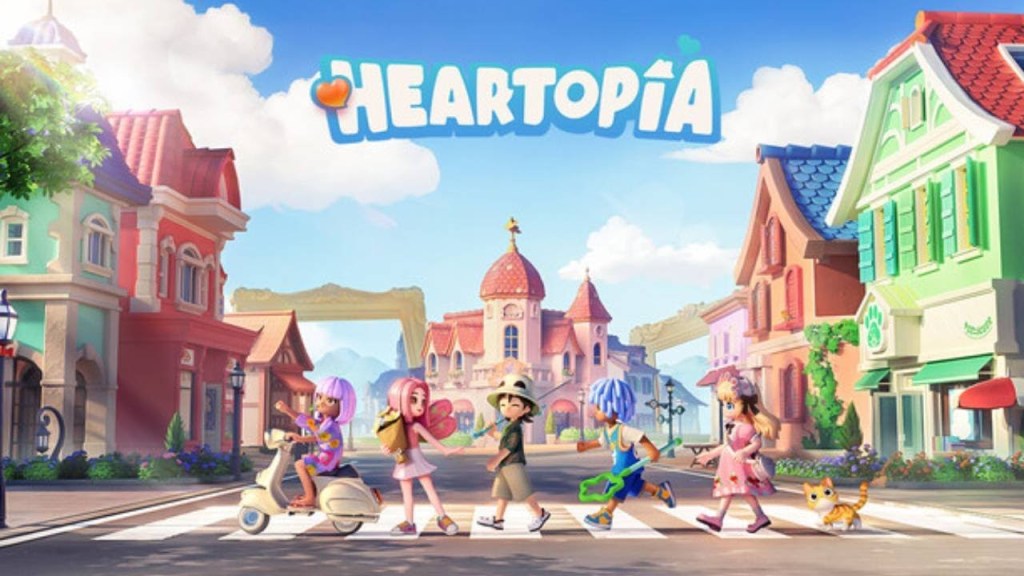
Honourable Mention: Heartopia
Out Now
This one isn’t on the March release calendar — because it’s already out — but it’s generating seriously glowing chatter from players and critics alike. While I haven’t personally stepped into its world yet (don’t worry, it’s happening this month — I just haven’t had the chance to press “Start” yet), the buzz is too delightful not to share.
Heartopia blends soothing life-sim mechanics with gentle exploration, cozy quests, and a story that places community and connection front and center. Think soft pastel visuals, relaxing music, and gameplay loops that feel like warm sunshine on a slow afternoon.
At its core, Heartopia invites you to:
- Grow & Nurture — Tend to gardens, raise crops, and harvest resources at your own pace.
- Connect — Meet colorful characters, build friendships, and uncover tiny stories tucked into every corner of the world.
- Explore & Discover — Wander gentle landscapes, gather materials, and uncover secrets that bring life and wonder to each day.
Reviews have highlighted its emotional warmth, its peaceful pacing, and how it captures that rare cozy chemistry — the feeling of being gently held by a game rather than rushed through it. Players are scoring it as a “comfort essential,” a “soft-hearted escape,” and “that cozy game I didn’t know I needed.” And yes, I plan to be among them this month with controller in hand and a mug of tea nearby.
What really makes Heartopia stand out is that it feels like a hug in game form. It doesn’t ask you to chase frantic objectives or scramble through timers — it invites you to exist in its world, feel at home, and let the rhythms of each day become your own.
Although it didn’t release this month, Heartopia’s presence influences the entire cozy gaming conversation right now — setting a tone of gentle joy and peaceful play that all the March releases are dancing alongside.
So even though I haven’t played it yet — and I absolutely intend to do that this month — it earns its place here because of:
- Beautiful feedback from the community
- Soft storytelling and relaxed mechanics
- That “comfort first” design philosophy
And when I finally sit down with it? You can bet I’ll have thoughts ready to share.
March’s release slate speaks strongly to cozy sensibilities — it’s not just about games, it’s about experiences that feel like warmth. Community building, narrative depth, puzzle-driven discovery, and that day-to-day joy of creation and exploration are right at the forefront.
Tell me in comments or your next draft which of these you’re diving into first — because I’m personally bookmarking Mistpaw Ravine and Piece by Piece as soft day starters with coffee in hand.
Stay cozy, stay curious, and let March’s gentle pixels sweep you up in slow-paced wonder.


 Pixels and cocoa
Leave a comment